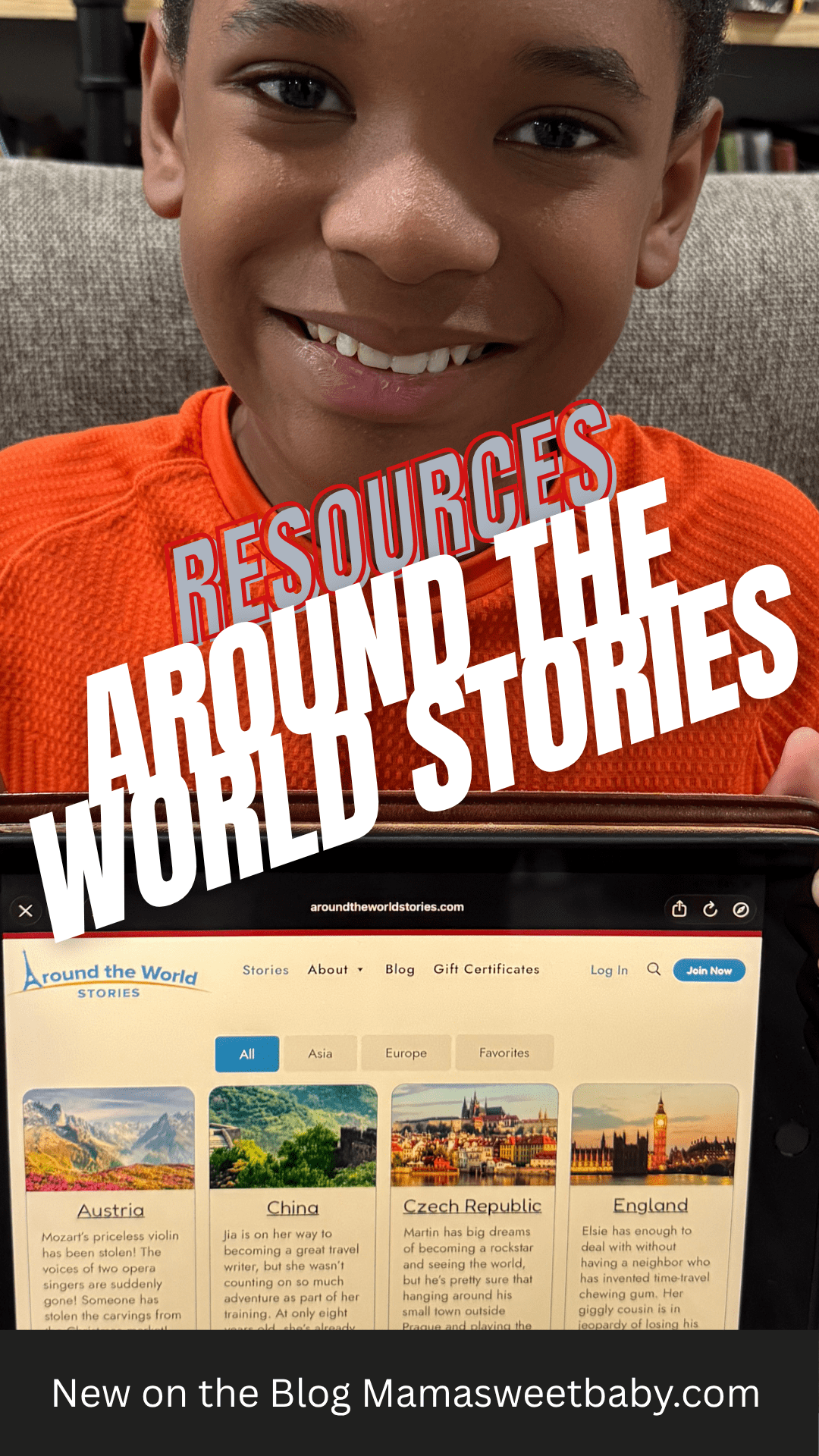
Disclosure: I was compensated for my time reviewing this product, writing this post, and sharing my honest experiences. All opinions expressed are entirely my own.
As proud Worldschoolers, I don’t use just anything to study Global Citizenship – it takes a special resource that covers many areas and checks the “this is good” box. With that said, I wanted to take a closer look at Around the World Stories and their platform.
Around the World Stories has turned “let’s learn about other countries” into a full sensory, story-rich experience in our home—far beyond what I expected from a digital curriculum. I’m always looking for resources that feel both meaningful and manageable, and this one has all of those requirements.
Instead of just handing us facts about flags and capital cities, this resource gently pulls us into the lives of children and families around the world. It has been a beautiful way to study geography, culture, and history, while also inviting big conversations about character, emotions, and what it means to care about other people.
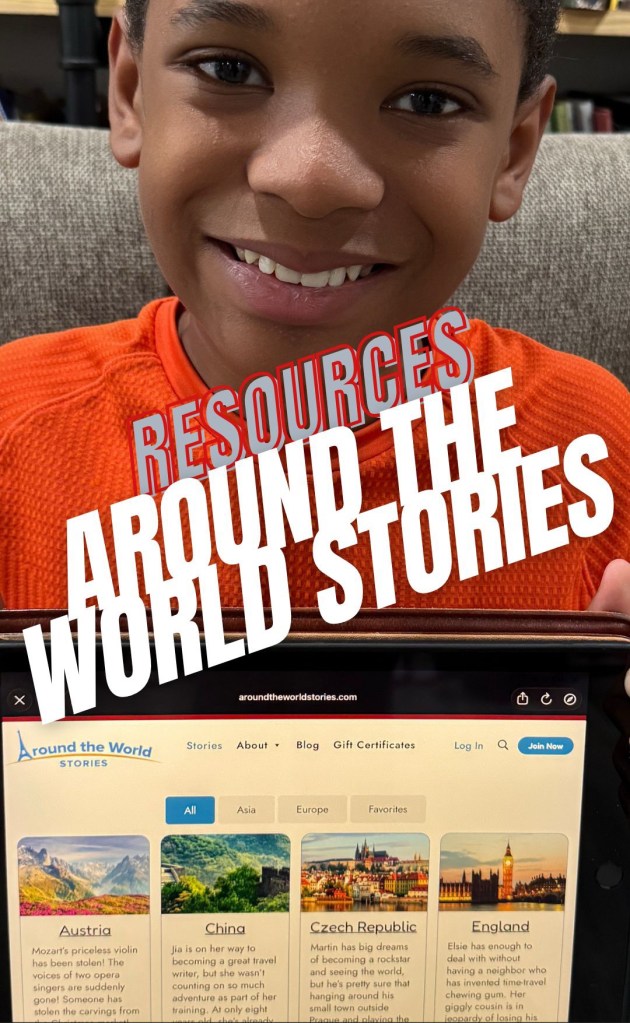
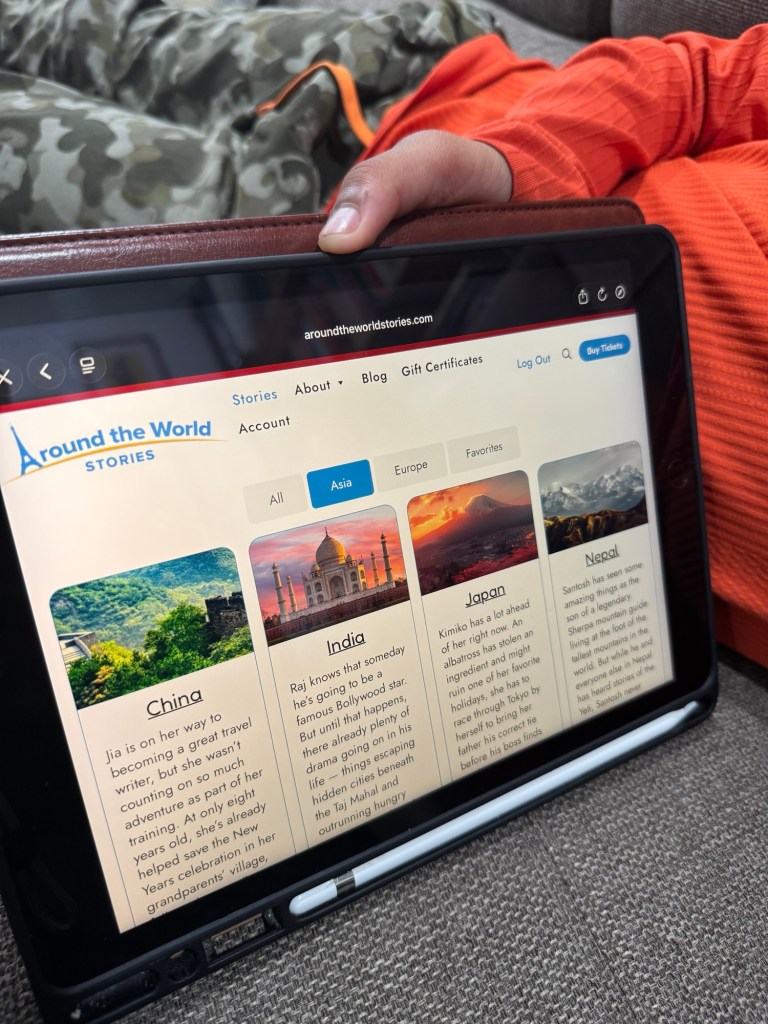
With 21 countries to choose from, Cash and I started by building a little “world tour” that felt personal and exciting for us. We chose:
• Portugal
• South Korea
• Japan
• Italy
• Greece
• Ireland
Italy and Portugal were easy choices because they’re places we’ve actually walked, eaten, and explored together. Revisiting them through story, recipes, and activities helped us see those trips with new eyes—this time noticing more history, traditions, and daily life details that we hurried through as tourists. South Korea, Japan, Greece, and Ireland are on our “hope to visit soon” list ( Greece, we’ll see you very soon), so beginning to know them now through stories makes those future trips seem more real. Instead of appearing like distant shapes on a map, they feel like places where real kids live, play, help their families, and solve real problems.
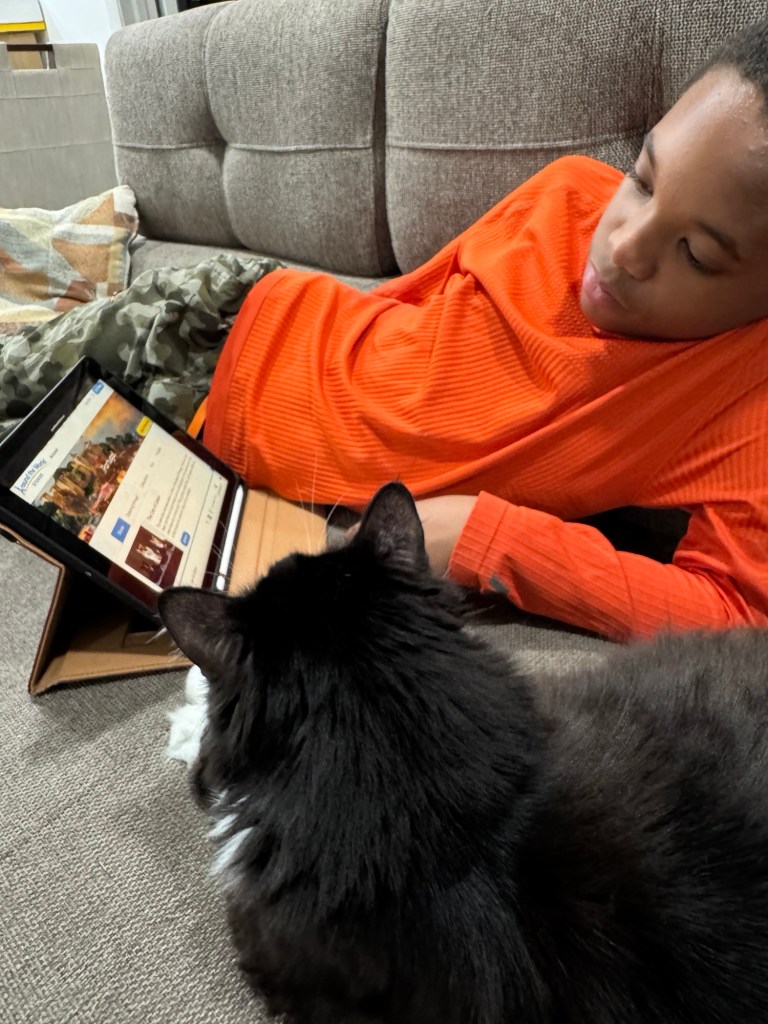
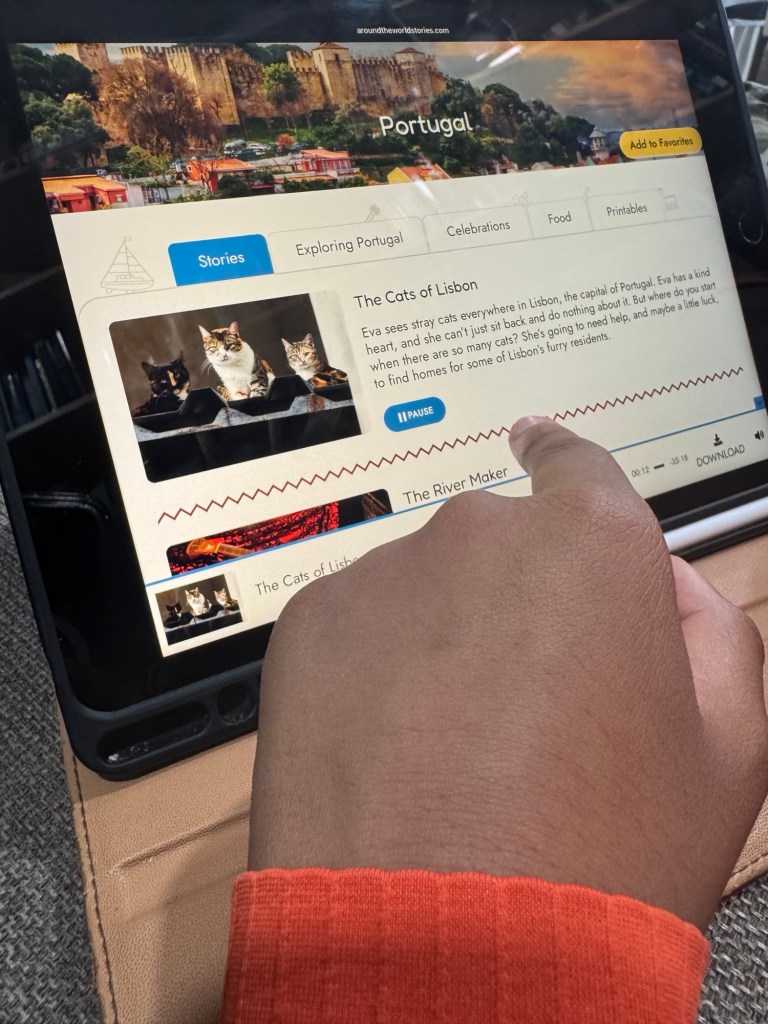
Each country on Around the World Stories includes four audio stories, and for us they’ve landed right around the thirty‑minute mark. That length has been a sweet spot: long enough to develop rich characters and meaningful plots, but short enough to fit into an ordinary homeschool day without taking it over. We usually listen to one story at a time—often during daytime breaks or before bed —while Cash colors or works on a related printable. Afterward (and sometimes during) we pause and talk about what stood out: a feeling, a decision a character made, or something that reminded us of our own experiences or travels. Because the learning is wrapped in narrative, the conversations come naturally.
Social‑Emotional Learning and Change Makers
One of the best and most unexpected parts of Around the World Stories has been the social‑emotional learning that’s woven into the narratives. These aren’t just “here’s what kids eat in this country” stories. Again and again, we’ve heard about:
• Change makers who notice needs in their communities.
• Volunteerism and small acts of service that ripple outward.
• Themes of generosity, courage, empathy, and responsibility.
Those threads go much deeper than simple geography. They invite us into heart questions: How did that character show kindness or bravery? What could we do in our own community that feels similar? How would we feel if we were in that same situation? Cash isn’t just learning where a country is located; he’s hearing about kids who are making choices, solving problems, and showing up for others—and that naturally leads into conversations about the kind of person he wants to be.
Language, Music, and Atmosphere
Another element we’ve really appreciated in Around the World Stories is the gentle insertion of each country’s native language into the stories and materials. Vocabulary shows up in context, inside the story itself, so it feels natural rather than like a separate language drill. Words are repeated just enough that Cash starts to recognize and try them out during our day, especially related to foods, greetings, or special places.
The music has added another rich layer. When we explored Portugal with Around the World Stories , we listened to a traditional fado song while working through the activities, and it completely changed the feel of the lesson. It helps Cash connect to the culture in a multi‑sensory way that a paragraph never could. Between the language, the music, and the storytelling, the curriculum creates an atmosphere that feels more like traveling than “doing geography.”
Recipes, Printables, and Hands‑On Activities
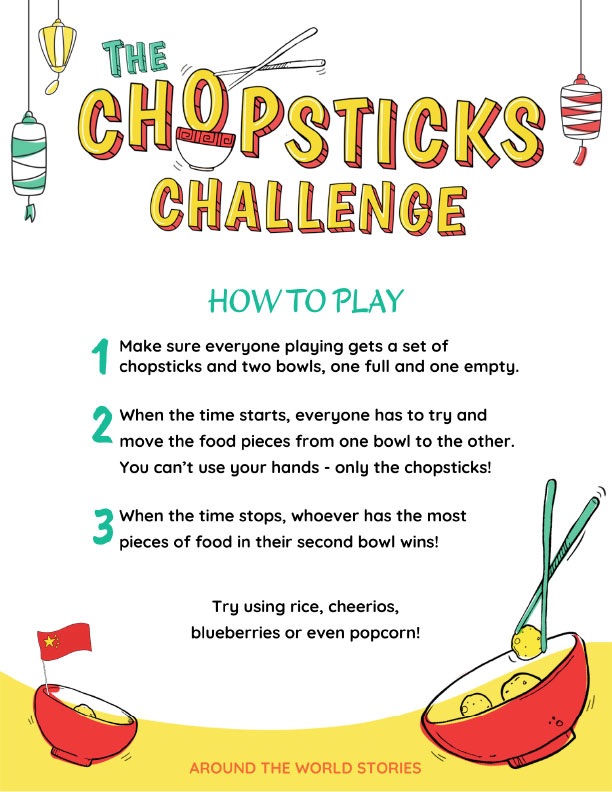
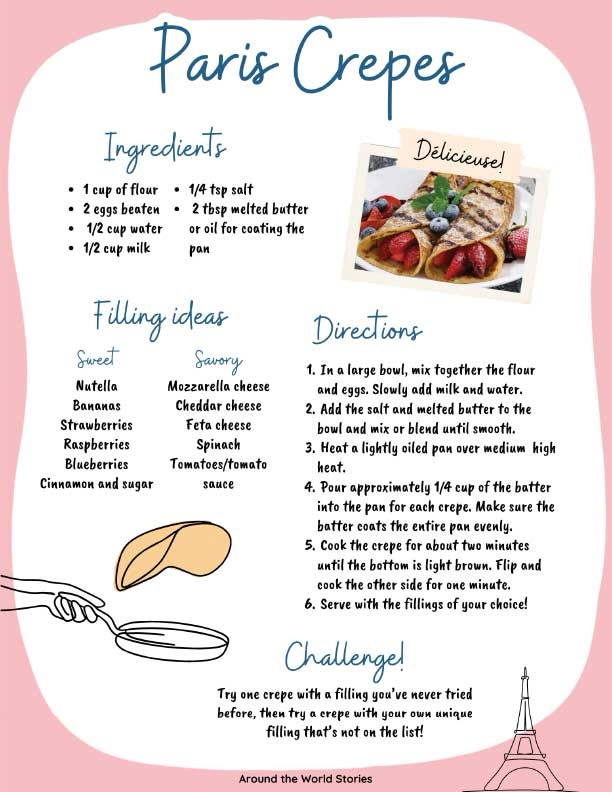
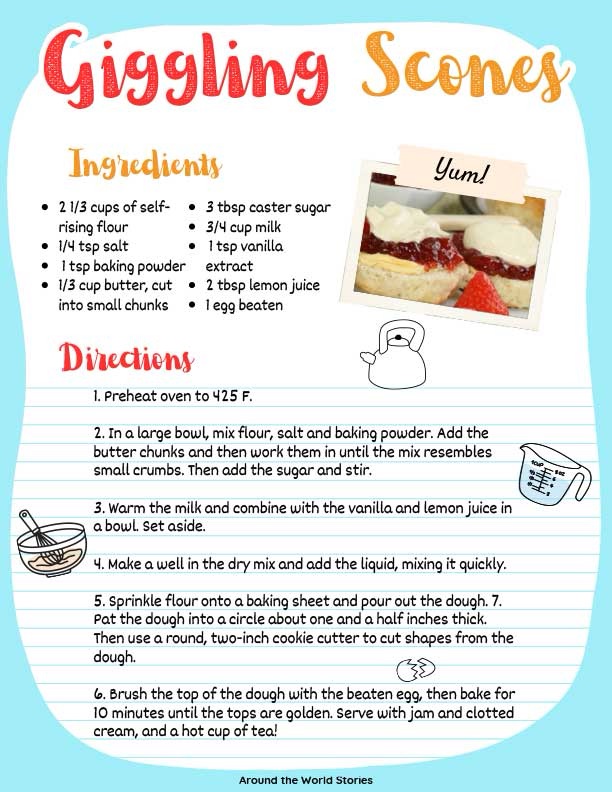
Around the World Stories doesn’t stop with listening. Each country includes recipes for traditional dishes, related printables, coloring sheets, and simple hands‑on activities that extend the learning. The recipes have quickly become a highlight in our home, because cooking gives us a way to literally taste what we’re learning. We can now make simple dishes from Italy and Portugal while talking about how it compares to the food we’ve eaten while there, and it lets Cash chop, stir, and season—turning culture study into life skills plus connection.
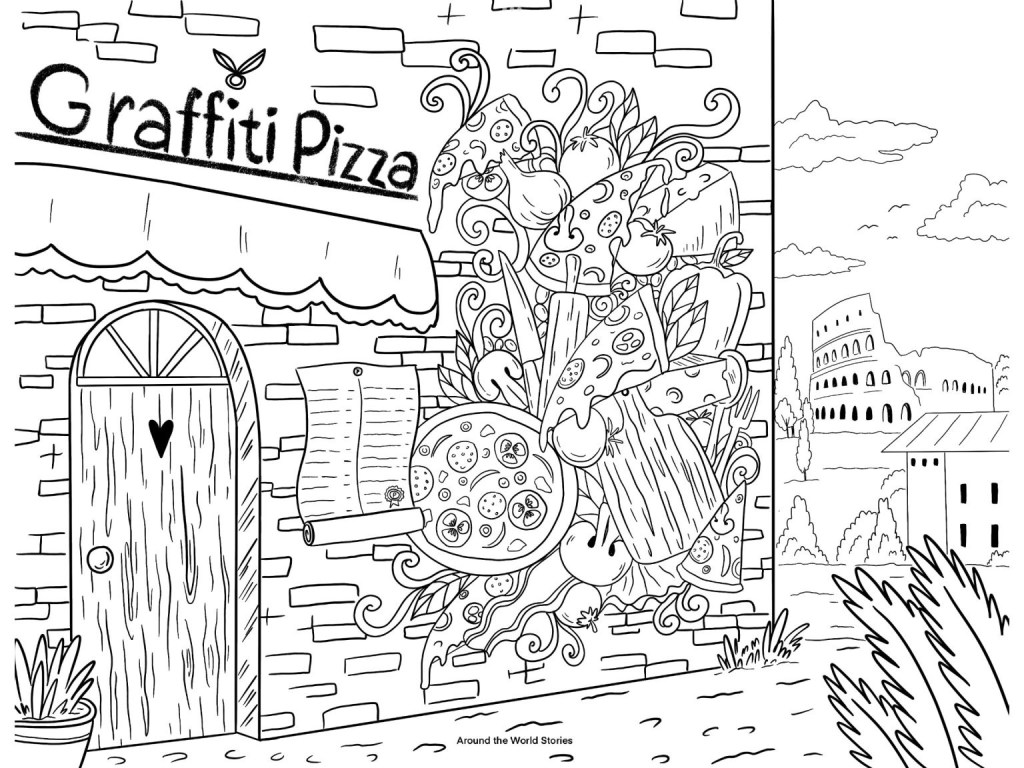
The printables and activities give busy hands something meaningful to do while hearts and minds are engaged. Some of our favorites have been:
• Coloring pages and simple activities to anchor the story in real locations.
• Building a paper boat and using it as a starting point to talk about travel, trade, and migration.
• Making a carnival mask tied to a local celebration, which led into conversations about festivals, costumes, and why people celebrate the way they do.
These activities are simple enough that I’m not overwhelmed gathering supplies, but thoughtful enough that Cash remembers them and connects them back to the stories later.
Extended Reading and Integrated World History
One of the quiet strengths of this curriculum is how it nudges you beyond the main stories into more reading and history. The elements referenced in the audio stories are researched deeper and included as additional reading material right on the site. World history is woven into the background—through landmarks, historical references, famous names, or traditions that have roots in real events—so we often find ourselves pulling out a timeline, jotting a quick note, or tracing a route on the map.
Instead of treating history, geography, and culture as three separate subjects, Around the World Stories helps us experience them as one big, interconnected story about people and places over time. That integrated approach has been especially helpful for a curious, big‑picture thinker like Cash. In fact, I had to admit to him that even though we had once discussed how and where Cork is grown and harvested I did not know that it was a type of Oak tree. Be careful that a good curriculum doesn’t make you lose cool points as a parent.
How It Fits Our Real Homeschool Days
Practically, Around the World Stories has been easy to tuck into our existing rhythm. Because each audio story is about thirty minutes, we can:
• Use a story as a main lesson anchor a few times a week.
• Add recipes, music, printables, or hands‑on projects on lighter days.
• Revisit favorite audio stories and readings when we need a gentle, low‑prep day or time filler.
It makes an excellent resource to travel with and use as Worldschooling material.
Around the World Stories is best suited for ages 5 – 13 but I would easily recommend using this for Gifted kids that are younger and stretching the materials using discussion for older learners. Younger kids can simply listen, color, and taste along with you, while older kids can map locations, journal about the characters, add to a timeline, or dive into research from the reading. Because it’s a resource that can stretch across ages and seasons, it also feels like a better investment of both time and money.
Choose from:
Explorer monthly subscription (1 ticket per month)
or
World Traveler annual subscription (12 tickets at once)
For our family, Around the World Stories has been more than a geography supplement. It has become a way to revisit places we love, prepare for places we hope to visit, and practice seeing the world—and ourselves—through the eyes of others. The combination of story, social‑emotional themes, recipes, music, printables, activities, and integrated world history makes it a rich, well‑rounded addition to our homeschool, and one we’re genuinely glad to have found.
Want to try Around the World Stories for yourself? I’ve got a treat for you!
Use code: STORIES26 to get a free unlocked country of your choice!


Leave a Reply