Disclaimer: I was compensated for my time in exchange for my honest review. Opinions and viewpoints are my own and reflects our homeschool journey and experiences.
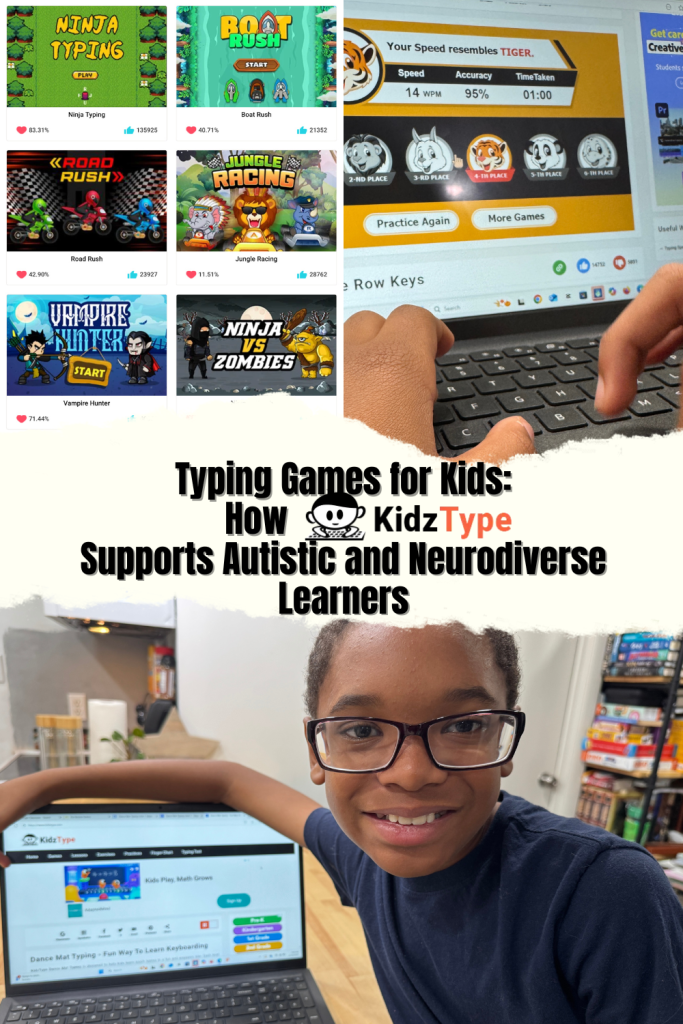
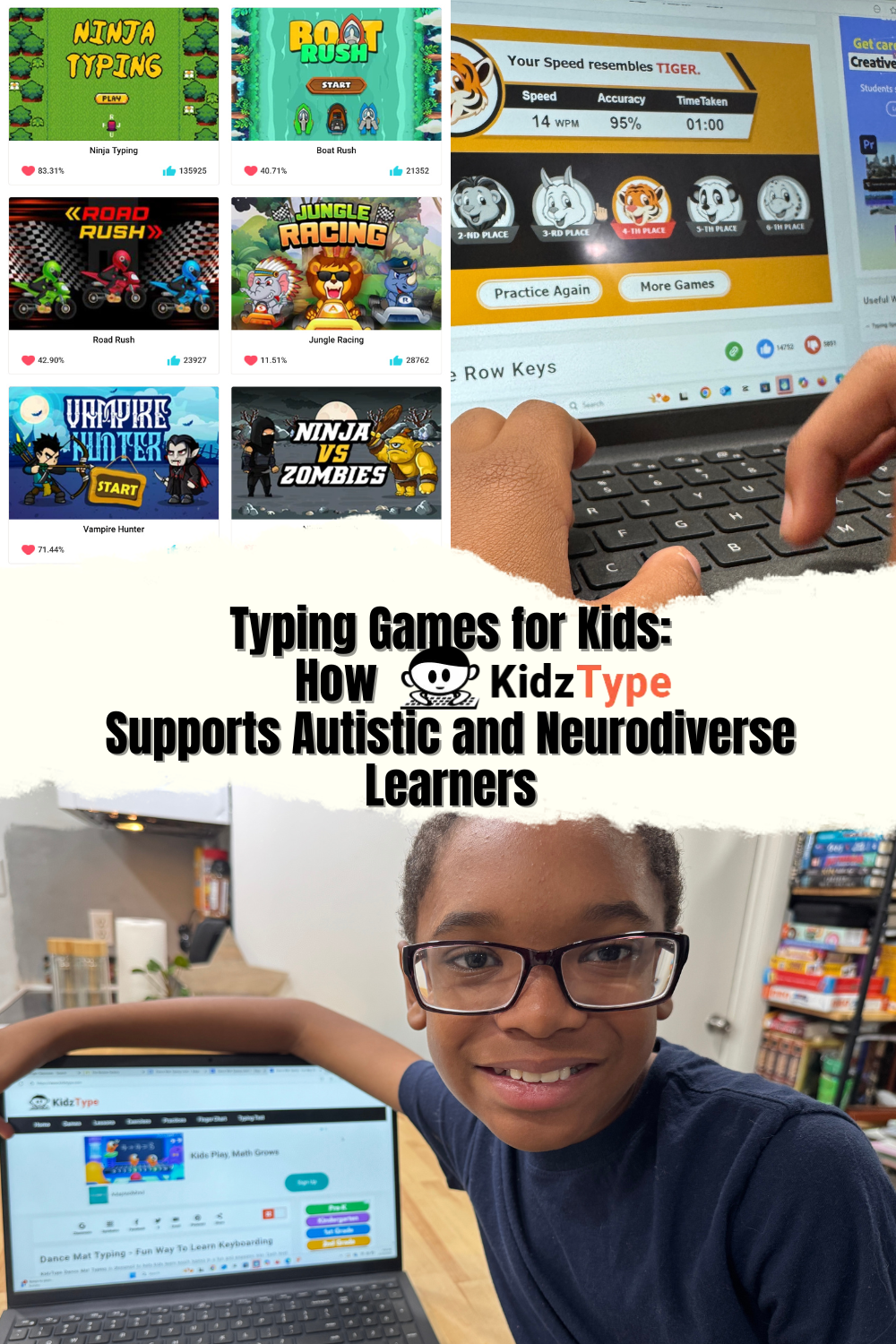
When searching for enrichment opportunities as a homeschool mama parenting a gifted child, finding the right tools for digital literacy is a top priority. Over the past few weeks, my son has been exploring KidzType Typing Games, a free and engaging online typing program designed for kids of all abilities. Even though my son is not autistic, our experience with KidzType continually reminded me how much overlap exists between gifted children, twice-exceptional learners, and autistic kids. Many of the strengths and struggles these groups share make typing a surprisingly powerful support tool.
If your child is autistic, gifted, or anywhere across the neurodiversity spectrum, typing may be one of the most important early academics you introduce.
Try KidzType’s free typing games here.
Why Typing Games Help Autistic and Neurodiverse Kids
Typing can truly level the playing field for children who think and process differently—whether they are autistic, gifted, or twice-exceptional (2e). Handwriting challenges, sensory sensitivities, and perfectionism often show up across these groups. My son, for example, can tackle advanced math problems with ease but still becomes frustrated by the physical act of handwriting. Many autistic kids experience that same disconnect between rich inner thoughts and the fine-motor demands of pencil-and-paper tasks.
That’s why typing games for kids are so valuable. Typing removes the barrier between the child’s ideas and their ability to express them. With typing, kids can write more freely, communicate more clearly, and build confidence without the sensory load that handwriting sometimes brings.
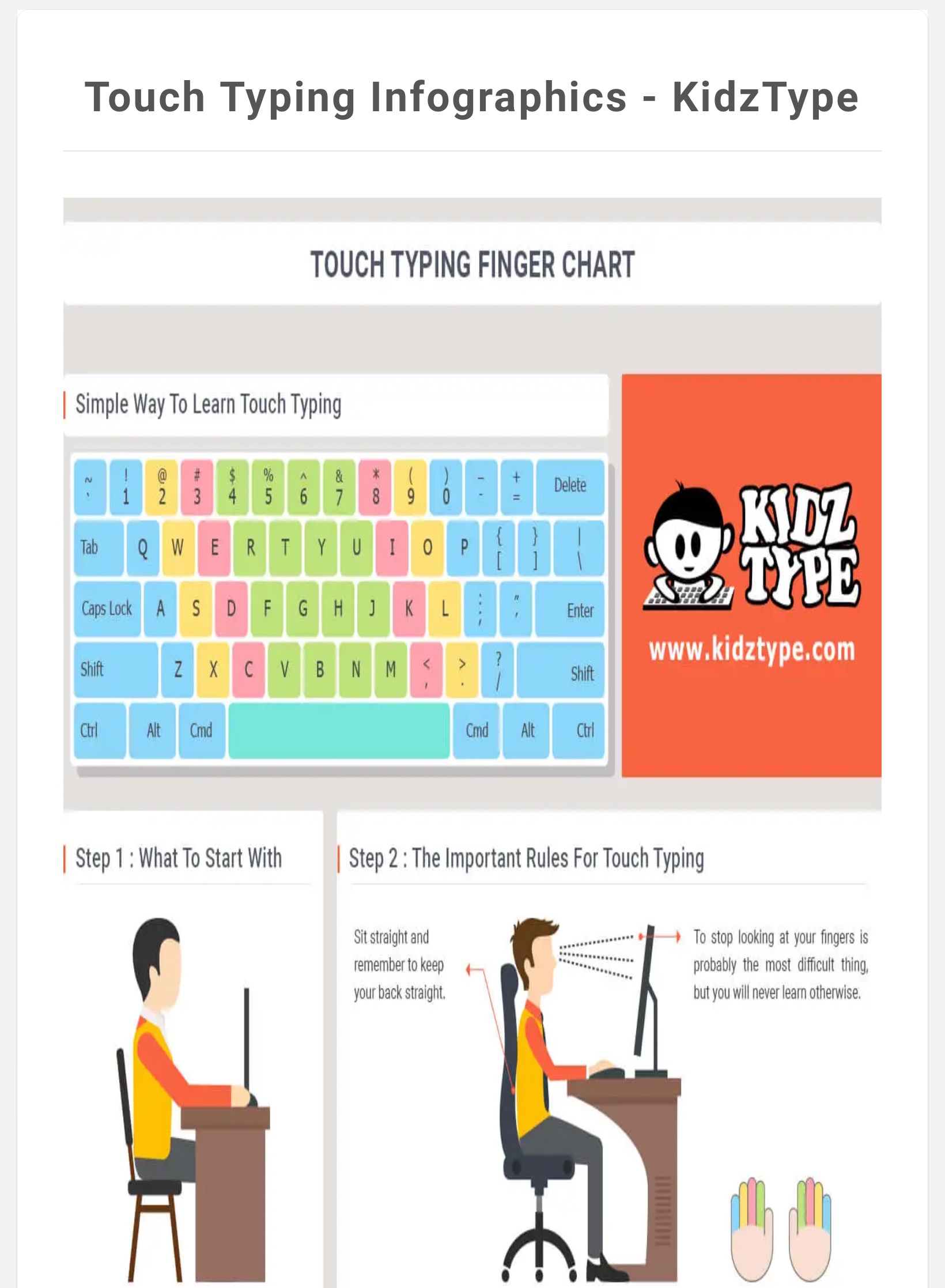
KidzType’s structured practice, gentle progression, and visual simplicity also make it especially friendly for autistic learners who thrive with predictable routines.

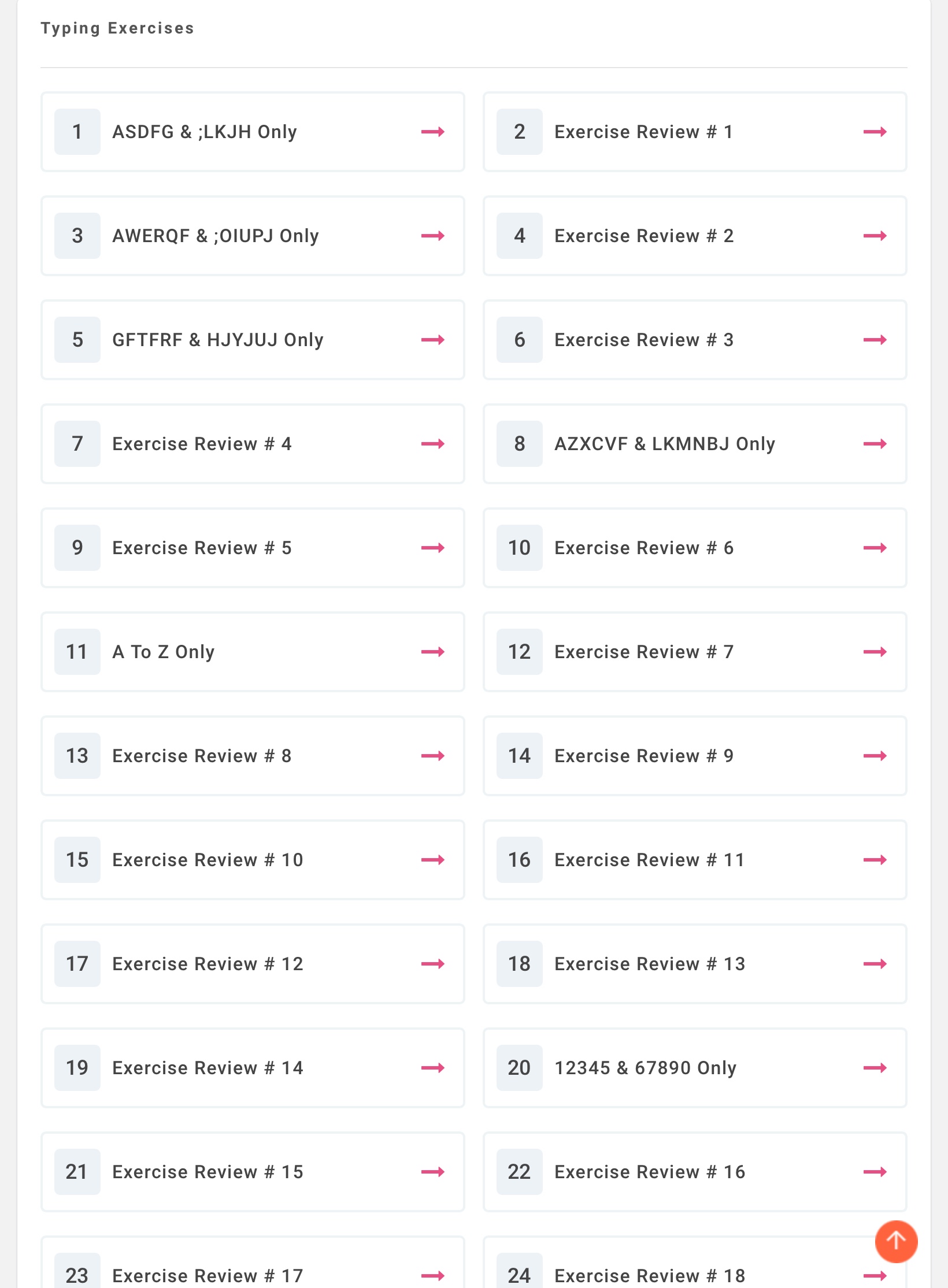
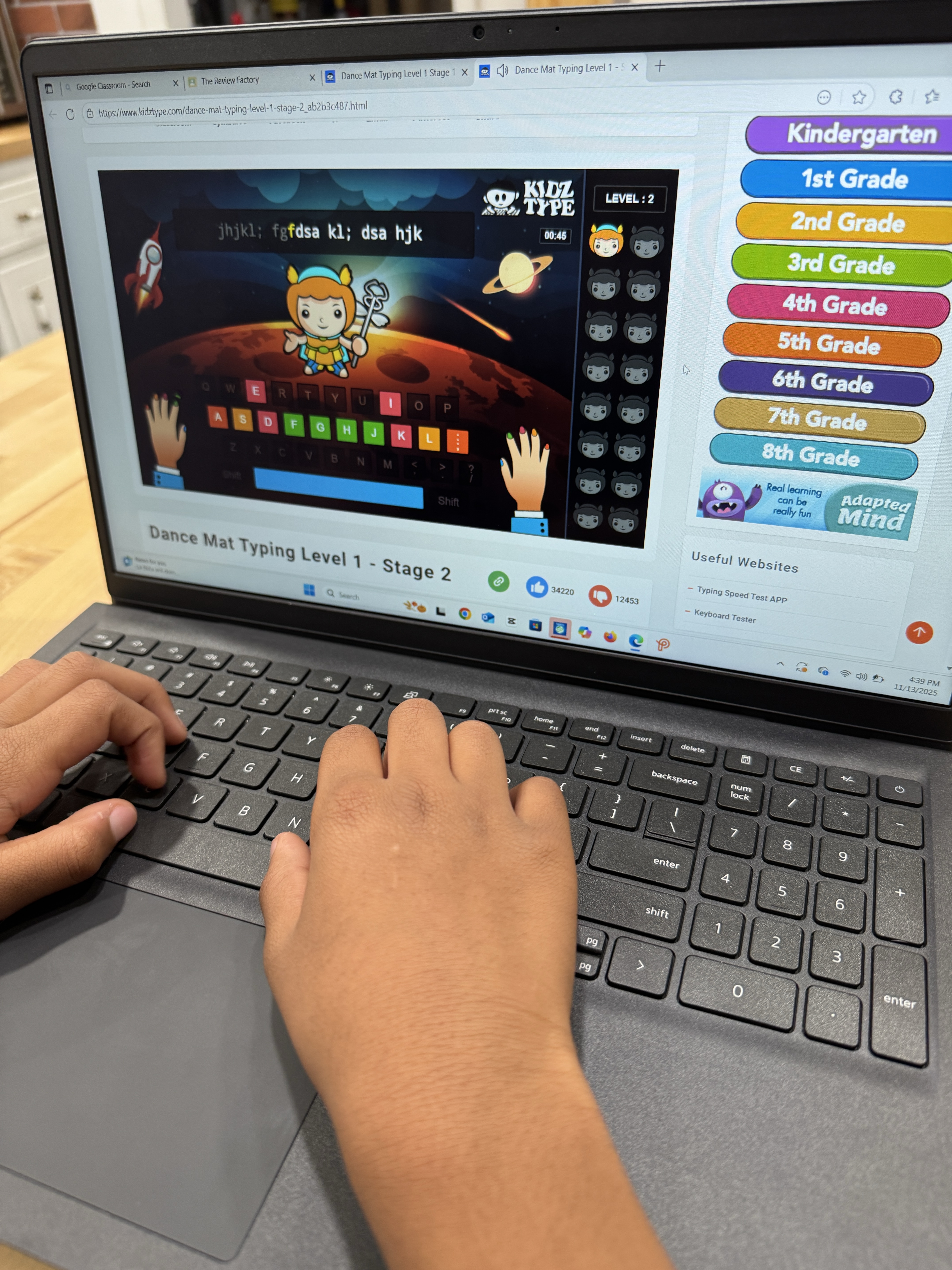
Our Experience With KidzType
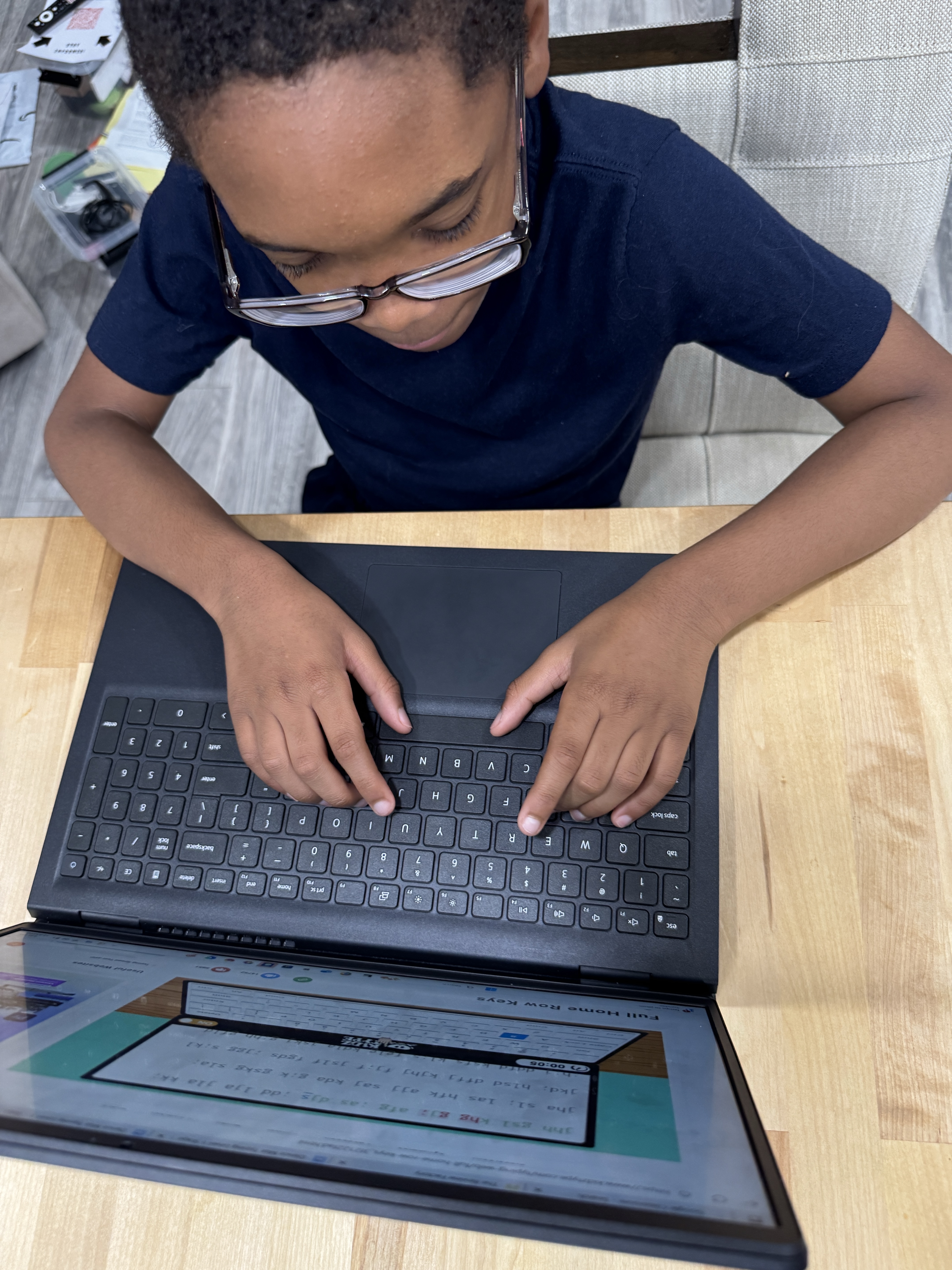
KidzType immediately clicked with my son. The mix of colorful lessons, straightforward directions, and achievement badges met his need for challenge wrapped in structure. He loved tracking his own progress and seeing his speed improve over a short time. While he moves through academic concepts quickly, he still appreciates being able to learn at his own pace—and that’s exactly what KidzType Typing Games allow.
One afternoon, after finishing a level with a high score, he announced, “Typing lets me get out my thoughts faster!” And that’s exactly how it felt watching him use KidzType: typing removed the bottleneck. His creativity and problem-solving flourished because his hands could finally keep up with his thoughts.
This is something I know many autistic and neurodiverse kids experience as well. The moment handwriting stops holding them back, their strengths shine.
Explore KidzType Typing Games for Kids.
Similarities: Gifted, Autistic, and Twice-Exceptional Children
Gifted and autistic children might seem worlds apart, but research shows many overlaps and sometimes confusion in identification:
• Intense focused interests: Both groups often deep-dive into their favorite topics.
• Advanced problem-solving: Exceptionally creative or analytical thinking can be present in both.
• Sensory sensitivities: Difficulty with noisy environments and strong responses to sensory input.
• Asynchronous development: Intellectual skills may outpace social/emotional development.
• High emotional intensity: Perfectionism, empathy, and difficulty with emotional regulation can appear across profiles.
Twice-exceptional (2e) kids exhibit remarkable strength in certain areas while facing challenges in others such as executive functioning or social communication.
Tools that reduce stress while increasing independence—like structured kids typing games—benefit all of these learners.

Advice to Parents of Autistic and Neurodiverse Children
If your child experiences frustration with handwriting, has big ideas but difficulty getting them onto paper, or benefits from predictable routines, typing may be a game-changer. Typing isn’t just a practical skill—it’s a form of self-expression that can reduce anxiety, unlock creativity, and empower kids who think differently.
KidzType makes typing approachable, fun, and accessible for a wide range of learners. Because the program is free, families can explore at their own pace without stress or commitment.
Final Thoughts
Whether your child is autistic, gifted, twice-exceptional, or simply prefers digital tools, typing can bridge gaps in communication and bring out their strengths. KidzType Typing Games have been a welcome addition to our homeschool routine, and I believe they can offer the same sense of accomplishment and independence to autistic learners, too.
The next step is simply letting your child try it—and watching the doors that typing can open.
Visit KidzType to begin free typing practice today.


 @Mamasweetbaby
Leave a comment