Disclaimer: I was compensated for my time in exchange for my honest review. Opinions and viewpoints are my own
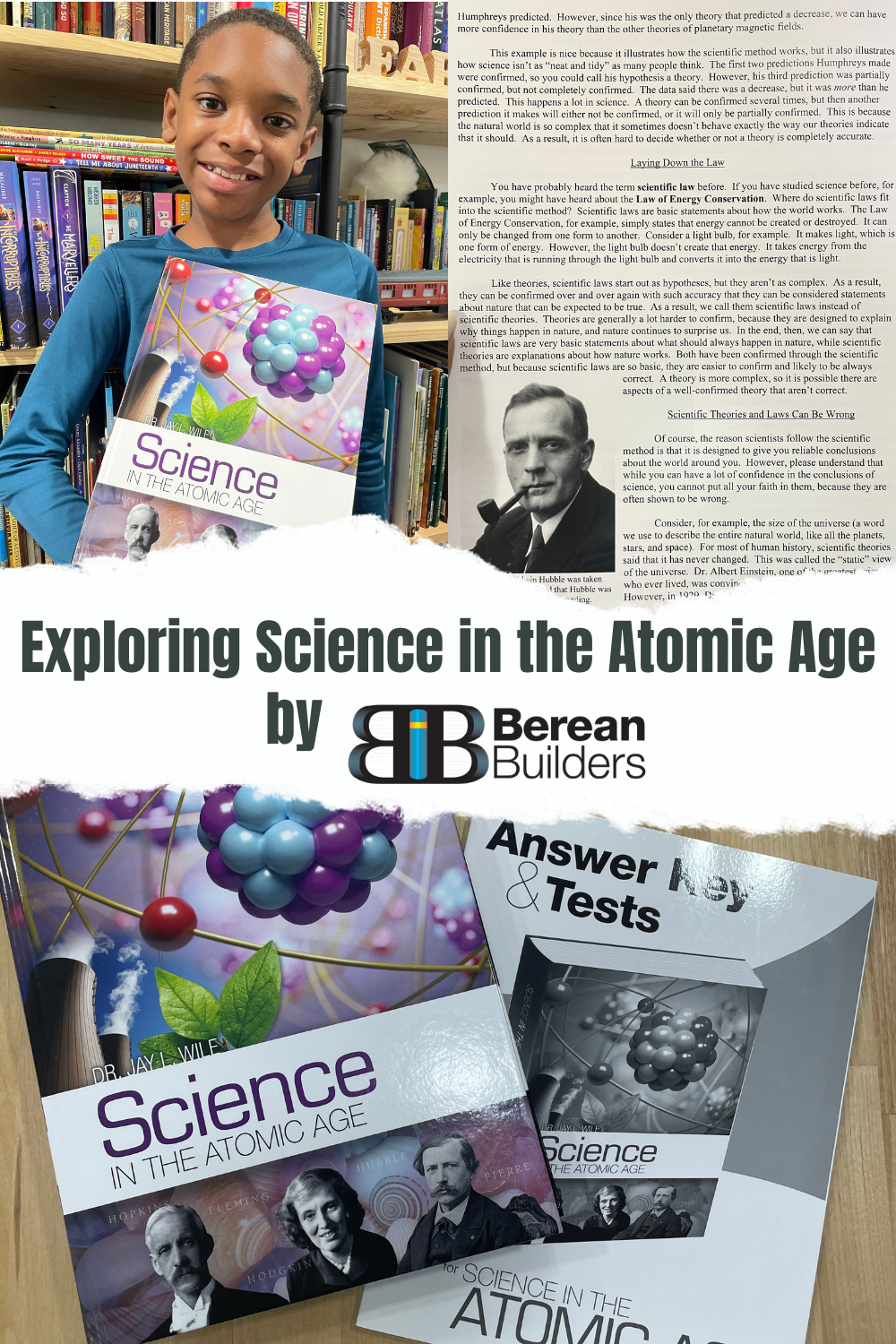
In my last post, I shared our rewarding journey through Discovering Design with Earth Science, appreciating Berean Builders’ thoughtful blend of hands-on labs, engaging visuals, and faith-based insight. If you haven’t yet, you can revisit that review here. Today, I’m excited to offer a continuation of our discussion—this time with Science in the Atomic Age, a middle school/junior-high, laboratory-centered course that delves into the mysteries of creation through a biblical lens.


What’s Inside the Science in the Atomic Age Package?
Science in the Atomic Age is a junior high science curriculum written by Dr. Jay L. Wile. It includes a hardcover textbook and is best paired with the Answer Key and Tests manual if you’re working with students independently .
Key Features:
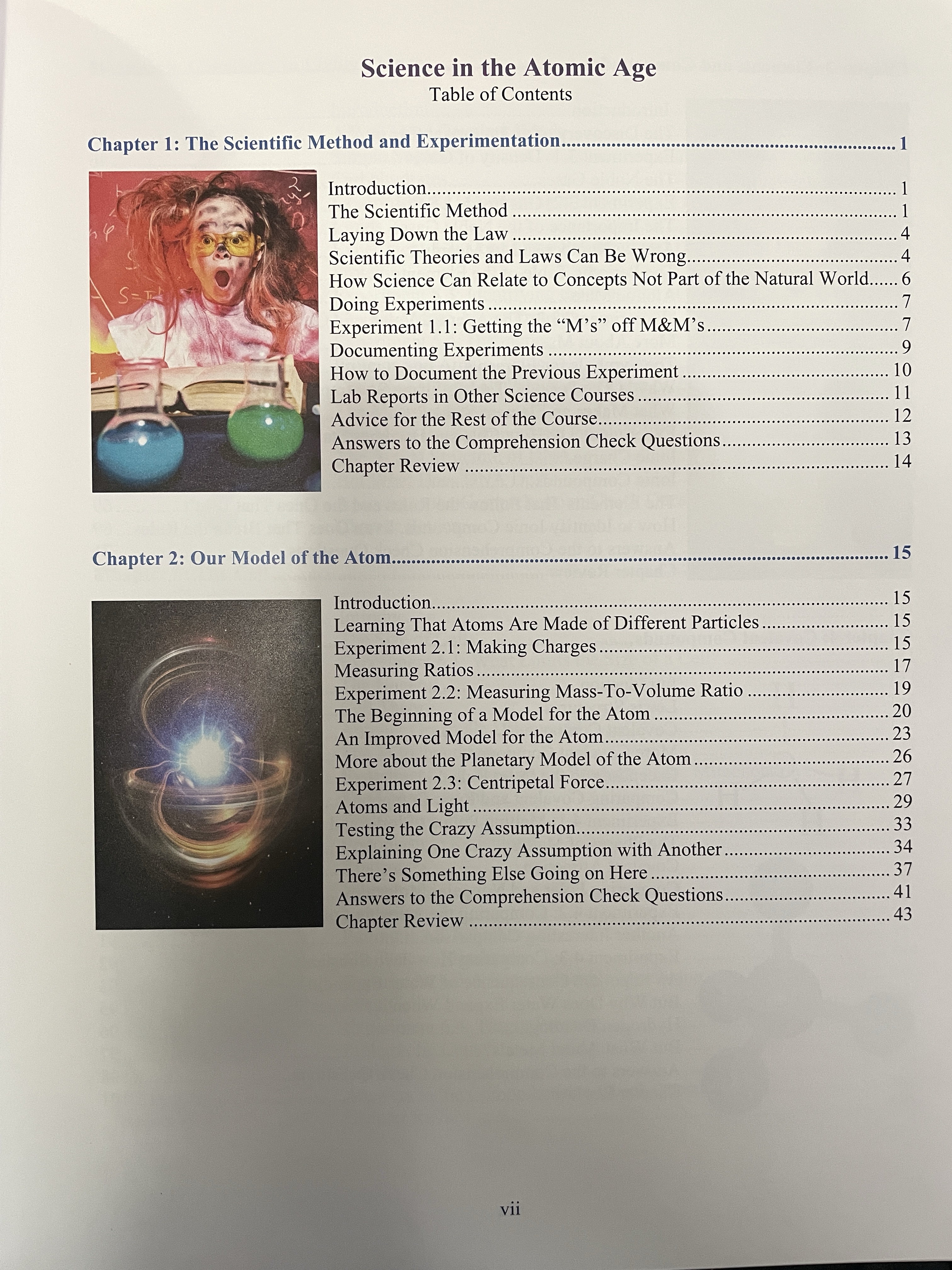
• Lab-focused, approachable content: The course kicks off with atoms and molecules, explores the essential chemicals for life—including DNA and cells—and moves through biological organization, from human organ systems to ecosystems and biomes.
• Historical context and scientific process: Each scientific concept is presented not only as knowledge but as the result of discoveries through time—giving students both content and context . Be prepared to be introduced to the scientists that are the foundation of modern advances today.
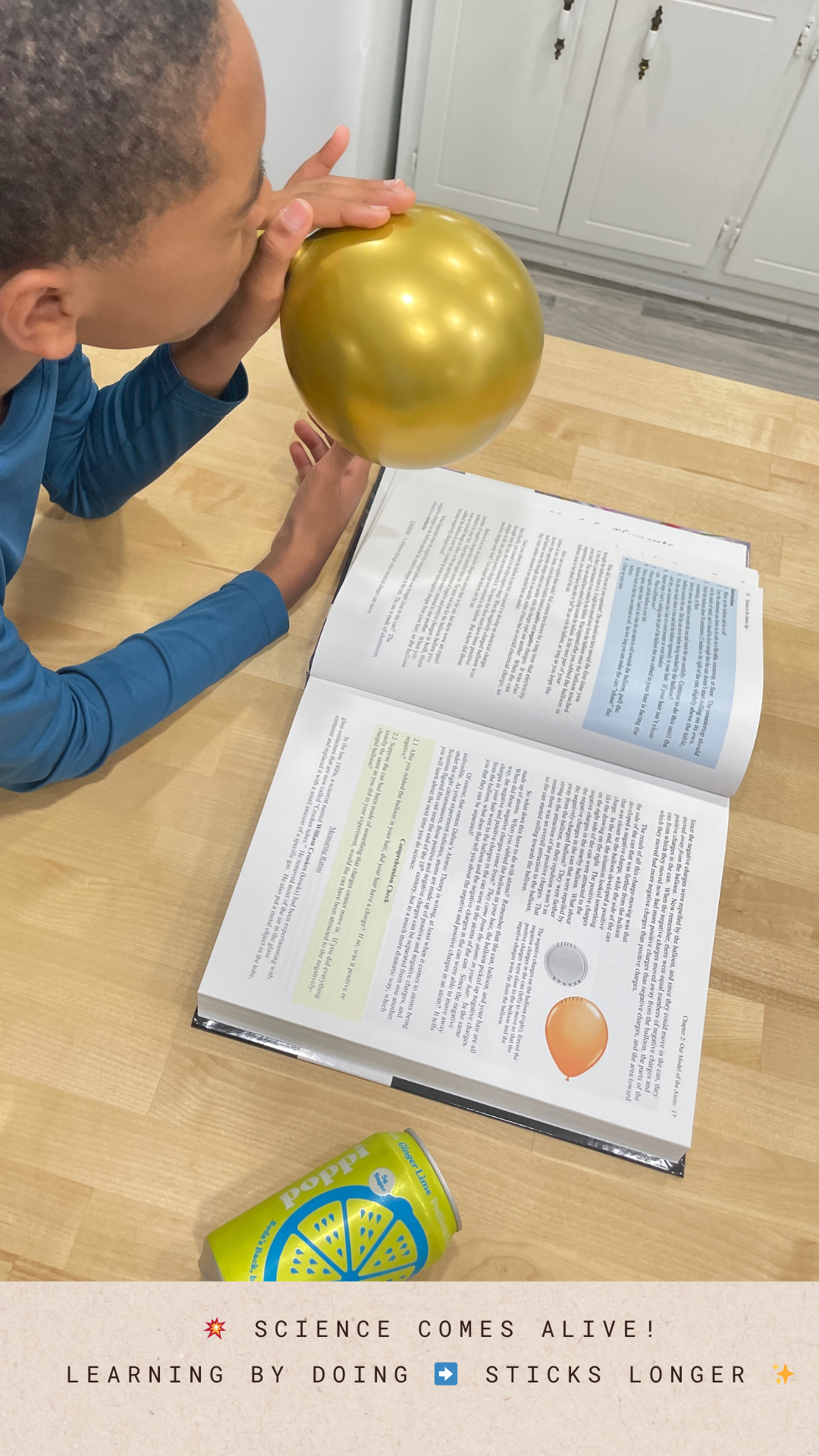
• Hands-on experiments using everyday tools: Labs require only household or easily sourced items, and most lessons include more lab/activity days than pure reading—all aiming for around 30–45 minutes of work per day.
• Structured yet independent learning: With a clear daily layout and built-in comprehension checks, students can work through chapters over one to two weeks apiece. The resource-rich website offers worksheets, schedules, supply lists, and even notebooks.
• Colored coded learning for an easy to follow course template. For text that should be memorized you’ll find highlights in pink, while blue boxes are for experiments. At the end of significant sections you’ ll also find a yellow box for Comprehension Checks and light orange boxes throughout for Examples.


Blog Reflections: How This Feels Compared to Earth Science
We really enjoyed Discovering Design with Earth Science previously and could not wait to review another level by Berean Builders. As a reminder that curriculum covered:
• Scope and Sequence – Earth systems, geology, space, plate tectonics Chemistry, biology, cellular structures, ecosystems
• Hands-On Learning – Plate tectonic models, minerals, water cycle Chemical reactions, cellular experiments, chemistry
• Curriculum Layout – 16 chapters ~2 weeks each; high school-level learning is independent or with daily guidance
• Worldview Integration – engaging faith-based insights, Presents creation vs. evolution, design critical thinking
• Supplemental Needs are Minimal—rich visuals and text optional notebook, report templates, diverse scientist profiles
Just as with Earth Science, I find myself thrilled by the independent-lab structure of Atomic Age. The units are dense enough to challenge curious minds, yet clear enough to implement without overwhelm. I can picture my student gaining confidence—practicing scientific writing, documenting discoveries, and wrestling with big concepts like DNA or biomes—all while grounding it in a worldview that supports faith and inquiry.
I also admire how these courses complement one another—starting with the macro scale of the earth and universe, then zooming into the molecular and cellular. There’s a sense of narrative progression, and expanding wonder.
Side Notes from My Homeschool Perspective
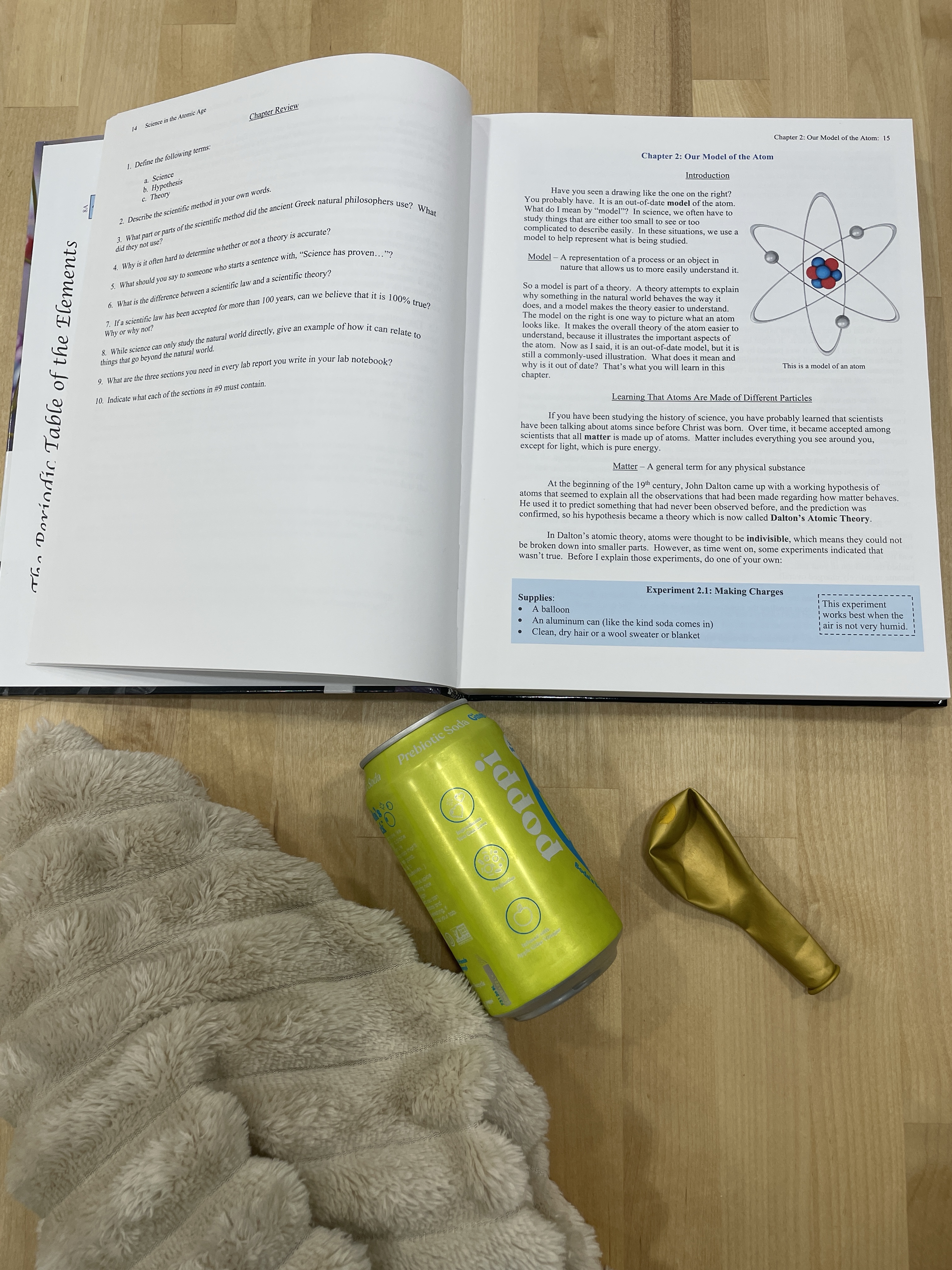


My learner had no trouble jumping right into Science in the Atomic Age. A huge, traditional textbook might seem intimidating at first but upon close inspection all of the information was age appropriate, based in faith and science, while being easily digestible.
My son loved the amount of experimentation that is encouraged throughout the curriculum and took the textbook from me to read ahead to see what was on the horizon. It’s easy to follow, colorful, and far from mundane. It’s a great choice for your homeschool if you appreciate a curriculum that is thorough and rigorous.
Final Thoughts
The Science in the Atomic Age maintains Berean Builders’ trademark strengths: hands-on learning, structured independence, and faith-informed content. And yet it stands apart by bringing a more microscopic lens—literally and figuratively—into the anatomy of creation.
Is Science in the Atomic Age on your homeschool path this year? I’d love to hear if you’ve used Berean Builders or if you have questions about their science – just ask away!
Looking to find Science in the Atomic Age for yourself? Check out this curriculum and others at http://www.bereanbuilders.com



 @Mamasweetbaby
Leave a comment